
As we step into 2025, the landscape of cyber threats continues to evolve, making it more crucial than ever for businesses to secure their digital assets. With cybercrime projected to cost the world a staggering $10.5 trillion annually, finding the right cyber security services company to protect your business is paramount. This article will guide you through the essential aspects of selecting a reliable cyber security partner to ensure your organisation remains secure against the ever-growing threat of cyber attacks.
Key Takeaways
- Understand the different types of cyber security services available to choose the right fit for your business.
- Look for a cyber security services company with a solid reputation and positive client feedback.
- Ensure the company offers 24/7 monitoring and support to respond to threats in real time.
- Consider the importance of scalable solutions that can grow with your business needs.
- Evaluate the cost-effectiveness of services, keeping in mind the potential return on investment from preventing breaches.
Understanding Cyber Security Services
Definition of Cyber Security Services
Okay, so what are cyber security services, really? It’s more than just slapping on some antivirus software. Cyber security services are a collection of practises, tools, and strategies designed to protect computer systems, networks, and data from digital attacks. Think of it as a digital bodyguard for your business. It’s about preventing unauthorised access, data breaches, and all those nasty things that can disrupt your operations and ruin your reputation. It’s a constantly evolving field, because the threats are always changing. You can’t just set it and forget it; you need ongoing vigilance.
Types of Cyber Security Services
There’s a whole bunch of different types of cyber security services out there, each tackling a specific area of risk. Here’s a quick rundown:
- Network Security: Protecting your network from intruders. Think firewalls and intrusion detection systems.
- Endpoint Security: Securing individual devices like laptops and smartphones. This includes antivirus and endpoint detection and response (EDR).
- Cloud Security: Protecting data and applications stored in the cloud. This is becoming increasingly important as more businesses move to cloud-based solutions.
- Application Security: Making sure your software is secure and free from vulnerabilities. This involves things like code reviews and penetration testing.
- Data Security: Protecting sensitive data from unauthorised access and theft. Encryption and access controls are key here.
Cyber security isn’t just about technology; it’s also about people and processes. You need to train your employees to recognise and avoid phishing scams, and you need to have clear policies and procedures in place for handling security incidents.
Importance of Cyber Security Services
Why bother with all this cyber security stuff? Well, in 2025, it’s not really optional anymore. Cyber threats are becoming more sophisticated and more frequent, and the consequences of a successful attack can be devastating. We’re talking financial losses, reputational damage, legal liabilities, and even business closure.
Consider these points:
- Financial Impact: A single data breach can cost millions of dollars.
- Reputational Damage: Customers lose trust in businesses that can’t protect their data.
- Legal and Regulatory Compliance: Many industries are subject to strict data protection regulations, and non-compliance can result in hefty fines.
Basically, investing in cyber security services is an investment in the long-term health and survival of your business. It’s about protecting your assets, your customers, and your future.
Evaluating Cyber Security Services Companies
Assessing Company Reputation
When you’re looking at cyber security companies, it’s not just about the fancy tech they spruik. You need to dig into their reputation. How long have they been around? What’s their track record like? A company with a solid history and a good name is usually a safer bet than a newcomer promising the world. Check out industry reports, awards, and any news articles about them – both good and bad. It’s all about getting a feel for their reliability and standing in the cyber security community.
Reviewing Client Testimonials
Client testimonials can be gold, but you need to read them with a critical eye. Look for specific examples of how the company helped other businesses, not just generic praise. Did they prevent a major breach? Improve security posture significantly? Also, check for testimonials on independent review sites, not just the company’s website. A mix of sources will give you a more balanced view. Don’t be afraid to reach out to some of these clients directly, if possible, to get the real story.
Understanding Service Offerings
It’s easy to get lost in the jargon when looking at what services a company provides. Make sure you understand exactly what they’re offering and how it aligns with your business needs. Do they specialise in areas that are important to you, like cloud security or incident response? Do they offer a range of services, or are they focused on just one area? A good company will be able to explain their services clearly and tailor them to your specific requirements. Don’t be afraid to ask questions and push for clarification until you’re confident you understand what you’re getting.
Choosing a cyber security company is a big decision. It’s not just about ticking boxes; it’s about finding a partner you can trust to protect your business. Take your time, do your research, and don’t be afraid to ask the tough questions. Your business’s security depends on it.
Key Features to Look For
24/7 Monitoring and Support
Let’s be real, cyber threats don’t clock off at 5 pm on a Friday. That’s why 24/7 monitoring and support is non-negotiable. You need a team that’s always on guard, ready to jump in the moment something dodgy pops up. Think of it like having a security guard for your digital assets, except this guard never sleeps (or needs a coffee break).
Customised Security Solutions
One-size-fits-all security? Nah, that’s like trying to fit a square peg in a round hole. Your business is unique, so your cyber security should be too. Look for a company that takes the time to understand your specific needs and tailors a solution that actually fits. This means they’ll consider:
- Your industry and its specific regulations.
- The size and complexity of your IT infrastructure.
- Your risk appetite (how much risk you’re willing to take on).
A good provider will conduct a thorough assessment to identify your vulnerabilities and then design a security plan that addresses those specific weaknesses. It’s about being proactive, not reactive.
Compliance and Regulatory Support
Dealing with compliance regulations like GDPR, HIPAA, or even just the Australian Privacy Principles can be a massive headache. A good cyber security company will not only help you meet these requirements but also keep you updated as the rules change. They should offer:
- Assistance with audits and reporting.
- Ongoing compliance monitoring.
- Guidance on best practises for data protection.
Basically, they’ll take the compliance burden off your shoulders so you can focus on running your business. No one wants to get slapped with a hefty fine because they didn’t tick the right boxes!
The Role of Technology in Cyber Security
Technology is now the backbone of pretty much every cyber security strategy. It’s not just about having the latest gadgets; it’s about how you use them to protect your business. The threat landscape is constantly evolving, and technology needs to keep pace, offering smarter and more adaptive solutions.
AI and Machine Learning Applications
AI and machine learning (ML) are changing the game. They can analyse huge amounts of data to detect anomalies and predict potential threats before they even happen. Think of it like this: instead of just reacting to attacks, you’re anticipating them. ML algorithms can learn from past attacks and adapt their defences, making them incredibly effective at spotting new and evolving threats. It’s not perfect, but it’s a massive step up from traditional security measures. For example, behaviour-based detection uses AI to recognise changes in user behaviour, while sandboxing involves safely running suspicious files.
Cloud Security Solutions
More and more businesses are moving to the cloud, which means security needs to move there too. Cloud security solutions are designed to protect data and applications stored in the cloud. This includes things like:
- Data encryption
- Access management
- Threat detection
It’s not just about protecting data at rest; it’s also about securing data in transit and ensuring that only authorised users can access sensitive information. Cloud security is a shared responsibility, so it’s important to choose a provider that takes security seriously.
Threat Intelligence Tools
Threat intelligence tools gather information about potential threats from a variety of sources. This information can then be used to proactively defend against attacks. These tools help you understand:
- Who is attacking you
- What their motives are
- How they are likely to attack
Having access to this kind of information can give you a significant advantage in the fight against cybercrime. It allows you to prioritise your defences and focus on the threats that are most likely to impact your business. It’s like having a heads-up display for cyber security, giving you the information you need to make informed decisions.
Cost Considerations When Choosing a Provider
Understanding Pricing Models
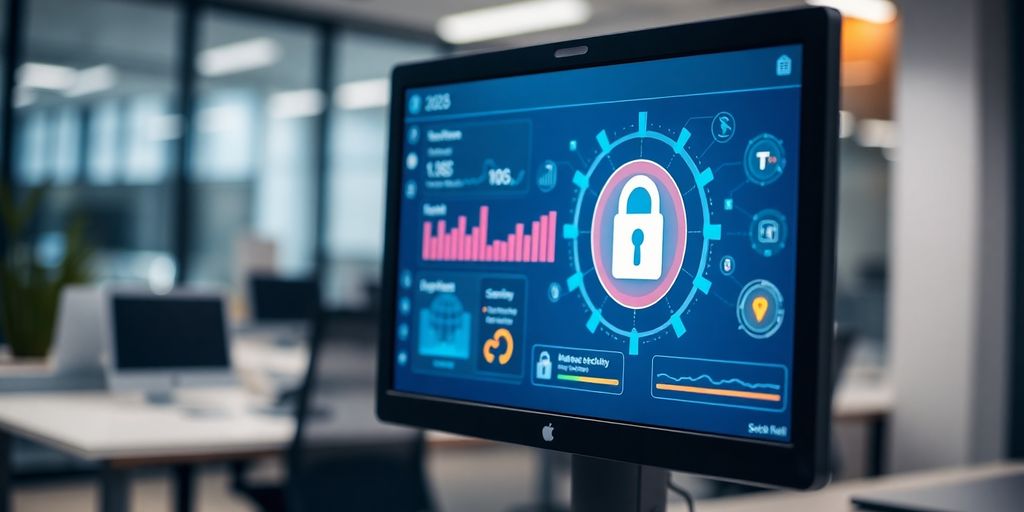
Okay, so you’re looking at cyber security companies, and the first thing that hits you is the pricing. It’s not always straightforward. You’ve got a few main types to wrap your head around. Some companies do a fixed monthly fee – predictable, but might not cover everything you need. Others go for a per-user model, which can be good if you’re a smaller business, but it scales up fast as you grow. Then there are the ones that offer tiered pricing, where you pick a level of service and pay accordingly. And don’t forget the custom quotes; these can be tailored to your exact needs, but you really need to know what you’re asking for. It’s a bit of a minefield, really.
Budgeting for Cyber Security
Right, budgeting. No one’s favourite topic, but super important. You can’t just pluck a number out of thin air. You need to think about what you’re actually protecting. What are your most important assets? What would it cost if you lost them? What regulations do you need to comply with? All of that feeds into how much you should be spending. A good rule of thumb is to allocate a percentage of your overall IT budget to cyber security, but that percentage depends on your industry and risk profile.
Here’s a basic example of how a company might allocate their budget:
| Category | Percentage of IT Budget |
|---|---|
| Hardware | 25% |
| Software | 30% |
| Cyber Security | 15% |
| IT Support | 20% |
| Cloud Services | 10% |
Don’t cheap out on cyber security. It’s like insurance – you don’t want to find out you’re underinsured when something bad happens. Think of it as an investment, not just an expense.
Evaluating Return on Investment
So, you’re spending all this money, but is it actually worth it? That’s where ROI comes in. It’s not always easy to measure, because you’re often preventing things from happening, rather than directly making money. But you can look at things like:
- Reduced downtime: If your systems are more secure, you’ll have fewer outages.
- Improved compliance: Avoiding fines and penalties is a big win.
- Enhanced reputation: Customers trust businesses that take security seriously.
- Protection of intellectual property: Keeping your secrets safe is priceless.
It’s about weighing up the cost of the service against the potential cost of a breach. And remember, a breach can cost you way more than just money – it can damage your reputation and lose you customers. So, think long-term, not just about the upfront price.
The Importance of Scalability in Cyber Security
In today’s digital landscape, businesses are constantly evolving, and their cyber security needs to evolve right along with them. A solution that works today might be completely inadequate in a year or two. That’s why scalability is so important when choosing a cyber security services company. You need a partner who can grow with you, adapting their services to meet your changing needs.
Adapting to Business Growth
As your business expands, so does your attack surface. More employees, more devices, more data – it all adds up to more potential vulnerabilities. A scalable cyber security solution can handle this increased complexity without breaking a sweat. Think about it: a small business starting with basic firewall protection might need to add intrusion detection systems, advanced threat analytics, and more robust endpoint protection as they grow. The key is to find a provider that can seamlessly integrate these new layers of security without disrupting your operations.
Future-Proofing Security Solutions
Cyber threats are constantly evolving, and what’s effective today might be obsolete tomorrow. Future-proofing your security means choosing solutions that can adapt to new threats and technologies. This often involves working with a provider that invests in research and development, staying ahead of the curve and proactively addressing emerging risks. It’s not just about having the latest technology; it’s about having a partner who understands the threat landscape and can anticipate future challenges.
Integration with Existing Systems
Implementing new cyber security solutions shouldn’t require a complete overhaul of your existing IT infrastructure. A scalable provider will work with you to integrate their services seamlessly into your current systems, minimising disruption and maximising efficiency. This might involve customising their solutions to fit your specific environment or providing APIs that allow for easy integration with other tools. The goal is to enhance your existing security posture without creating unnecessary complexity.
Choosing a cyber security provider that prioritises scalability is an investment in the long-term health and security of your business. It ensures that you’re not just protected today, but that you’ll be able to adapt to whatever challenges the future may bring. It’s about peace of mind, knowing that your security can grow with you.
Building a Long-Term Partnership
It’s not just about finding a provider; it’s about building a relationship that grows with your business. Think of it like finding a good mechanic – you want someone you can trust and rely on for years to come.
Establishing Clear Communication
Open and honest communication is the bedrock of any good partnership. Make sure you’re on the same page from the get-go. What are their reporting procedures? How often will you receive updates? A provider who keeps you in the loop is worth their weight in gold. Don’t be afraid to ask questions, no matter how basic they seem. A good provider will welcome your curiosity and explain things in a way you understand. Regular meetings, clear documentation, and a dedicated point of contact can make all the difference.
Setting Performance Metrics
How do you know if your cyber security is actually working? You need to set some goals and measure progress. This isn’t just about ticking boxes; it’s about understanding your risk profile and seeing real improvements over time. Some metrics to consider:
- Time to detect a threat
- Time to respond to an incident
- Number of successful attacks prevented
- Employee training completion rates
It’s important to agree on these metrics upfront and review them regularly. This helps to ensure that the provider is meeting your expectations and that your security posture is improving.
Regular Security Assessments
Cyber security isn’t a set-and-forget thing. The threat landscape is constantly evolving, so your defences need to evolve too. Regular security assessments are like a health check for your business. They help you identify vulnerabilities, test your defences, and stay ahead of the curve. These assessments should include:
- Penetration testing
- Vulnerability scanning
- Security audits
- Social engineering tests
Make sure your provider offers these services and that they’re tailored to your specific needs. A good assessment will give you a clear picture of your security posture and provide actionable recommendations for improvement.
Creating a strong partnership takes time and effort. It’s important to communicate openly and work together towards common goals. If you’re ready to start building a lasting relationship with us, visit our website today to learn more about how we can help each other succeed!
Wrapping It Up
In the end, picking the right cybersecurity services for your business is a big deal. With cyber threats on the rise, you can’t afford to take chances. Think about what your business really needs, whether it’s around-the-clock support or specific security features. Don’t just go for the biggest name; look for a company that fits your budget and can actually help you. Take your time, do your homework, and ask the right questions. The right partner can make all the difference in keeping your business safe from cyber attacks.
Frequently Asked Questions
What are cyber security services?
Cyber security services help protect businesses from online threats like hacking and data breaches. They include things like monitoring systems, securing networks, and providing support to keep data safe.
Why is it important to choose the right cyber security company?
Choosing the right cyber security company is crucial because a data breach can cost a lot of money and damage your business’s reputation. A good company will help protect your data and keep your systems secure.
What should I look for in a cyber security provider?
Look for a provider that offers 24/7 support, custom security solutions, and helps with compliance to regulations. Also, check their reputation and client reviews.
How much do cyber security services cost?
The cost of cyber security services can vary widely. It’s important to understand different pricing models and find a solution that fits your budget while still providing good protection.
What role does technology play in cyber security?
Technology is key in cyber security. Tools like artificial intelligence can help detect threats faster, while cloud security solutions protect data stored online.
How can I ensure my cyber security grows with my business?
Choose a cyber security solution that is scalable, meaning it can grow as your business expands. This way, you can adapt to new threats and changes in your business environment.